
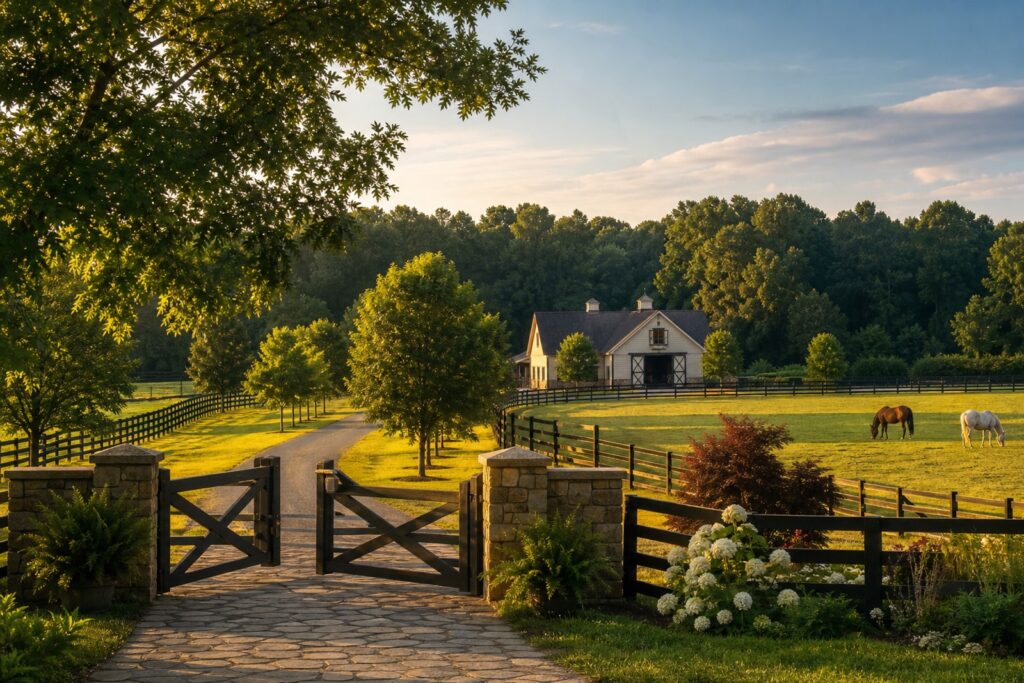
Smart Upgrades to Help Sell Your Horse Property in North Carolina’s Triangle Region
Selling a horse property in the Triangle area of North Carolina involves more than acreage and structures; it is about the lifestyle and freedom provided by a well-cared-for equestrian haven. Buyers seek properties where their horses can thrive safely and daily care routines are manageable. Thoughtful, targeted upgrades can transform your property into a desirable destination that captures the confidence of discerning buyers. This guide outlines key improvements to enhance your land, facilities, safety, and overall market appeal within the vibrant Triangle equestrian community. Before comparing acreage alone, Denise’s guide to Horse Property Layout Ideas for Wake County Buyers can help you think through how daily routines shape the right farm setup.
Understanding the Triangle Area Equestrian Buyer
Horse owners and equestrian families in Wake County, Chatham County, Pittsboro, Apex, and nearby Triangle communities prioritize land usability, safety, and community integration. These buyers are knowledgeable about essential horse care and property features that support daily routines and long-term maintenance. They look for healthy pastures, safe and secure fencing, barns that offer proper shelter, and easy access for trailers and regular use. Upgrades that blend naturally with the landscape and comply with local zoning expectations will most effectively resonate with buyers wanting land that works for both them and their horses. If acreage is one of your biggest questions, How Much Property Do You Need For A Horse? offers a helpful starting point for thinking beyond raw land size.
Key Property Areas to Upgrade for Maximum Appeal
Strategic upgrades increase buyer confidence and can impact your final sale price favorably. Focus on these essential areas:
1. Pasture Quality and Land Usability
- Soil Testing and Enhancement: Arrange professional soil analysis to identify nutrient deficiencies and address pH imbalances common in Triangle soils. Use soil test results to apply lime and fertilizers appropriately. Consider overseeding with climate-appropriate native grasses such as Bermuda or fescue for sustained pasture quality.
- Drainage Improvements: Address soggy or muddy spots by installing French drains or regrading land to divert excess water. Proper drainage safeguards horse hooves and prevents pasture damage.
- Rotational Grazing: Where possible, install subdivided fencing to enable rotational grazing. This technique supports pasture health and demonstrates knowledgeable land stewardship.
2. Fencing: Safety and Functionality
- Choose Horse-Safe Materials: Replace damaged fencing with horse-friendly options like high-tensile wire with visibility features, vinyl rail fencing, or well-maintained wood board fencing. Avoid barbed wire as it poses serious injury risks.
- Gate Functionality: Ensure gates operate smoothly with secure latches placed at heights safe for both horses and handlers. Double-gated entrances ease trailer access and enhance buyer appeal. When land quality is the deciding factor, Best Place to Buy a Horse Farm in Wake County, NC adds useful context for evaluating how the property will function through different seasons.
- Regular Maintenance: Inspect all posts and fencing regularly for rot or instability and replace components as needed to maintain safety and containment.
3. Barn and Shelter Condition
- Structural Repairs: Check roofs, walls, and floors for leaks or damage. Complete necessary repairs before listing.
- Ventilation: Provide adequate airflow via windows or vents to prevent respiratory issues.
- Lighting: Ensure barns have sufficient natural or energy-efficient artificial lighting for safety and convenience.
- Additional Features: Buyers value tack rooms, feed storage spaces, and fenced turnout paddocks adjacent to barns.
4. Water Systems and Accessibility
- Reliable Water Sources: Make certain that water troughs or automatic watering systems are clean, functional, and accessible throughout pastures.
- Well or Municipal Water: Verify functionality of wells or municipal connections if applicable.
- Irrigation: For larger properties, consider irrigation systems to sustain pasture health during dry periods.
5. Driveways and Road Access
- Maintenance: Repair potholes or erosion to maintain year-round accessibility, especially near road entrances.
- Trailer Access: Design driveways with adequate width and turning radius for horse trailers.
Buyer Considerations: What Equestrian Buyers Ask Before Purchase
Potential buyers often inquire about fencing durability under local weather and horse use, pasture suitability for healthy grazing throughout the year, water source maintenance, and any zoning restrictions impacting property use. Accessibility for veterinarians, farriers, and daily care is also a priority. Barn condition and recent upgrades are important when evaluating value. Being prepared to answer these questions transparently builds trust and can facilitate a smoother sale.
Navigating Local Zoning and Community Rules
Wake and Chatham counties each have distinct zoning ordinances that regulate minimum acreage, accessory structures, fencing types, and permitted agricultural activities. Consulting a local equestrian real estate specialist ensures accurate advice and clarifies any location-specific restrictions upfront, thereby removing potential obstacles for buyers.
Pitfalls to Avoid When Upgrading Horse Properties
While it may be tempting to add luxury amenities, equestrian buyers emphasize functionality over aesthetics. Overly elaborate features like pools or ornate landscaping usually do not influence their purchasing decisions. Focus on well-maintained fencing, sound barns, and safe pathways. Avoid safety hazards like sharp edges, inadequate lighting, or faulty gates. Providing maintenance documentation, such as soil reports and repair logs, enhances buyer confidence and expedites the sale process.
Local Expertise and Market Positioning
Partnering with a local equestrian real estate specialist such as Denise Alala of Hooves & Homes Realty brings invaluable insights into the Triangle area’s market. Denise’s EquiAgent certification and personal horse experience enable tailored advice on upgrades, pricing, and marketing strategies that emphasize the equestrian lifestyle. For local market context, Horse Properties For Sale in North Carolina gives readers another helpful look at how these choices show up across nearby North Carolina communities.
Final Thoughts: Unlock Your Horse Property’s Full Potential
Practically focused upgrades addressing pasture health, secure fencing, safe barns, reliable water, and clear access will elevate your property’s appeal and value. By meeting the expectations of the Triangle’s equestrian community, you position your property as a trusted option for buyers looking to unlock their dream lifestyle. Consulting knowledgeable local experts can help you avoid costly mistakes and craft a compelling property story.
Next Steps to Prepare Your Property
Begin by scheduling soil and pasture assessments with trusted agronomists. Inspect and repair fencing using horse-friendly materials. Have barns professionally reviewed and maintained. Gather documentation about zoning, utilities, and upgrades to address buyer questions confidently. Finally, connect with an equestrian real estate consultant for personalized guidance. Hooves & Homes Realty is ready to walk alongside you to unlock your dream in the Triangle’s equestrian community.
FAQ Section
What are the most valued upgrades buyers look for in horse properties in the Triangle area?
Buyers prioritize secure, well-maintained fencing, healthy, well-drained pastures, functional barns or shelters, and dependable water sources. Desirable barn features include running water, electricity, utility sinks, tack rooms, and feed storage. Suitable fencing reduces injury risk, and many buyers also seek riding arenas or spaces that can be converted for training or competition.
How can I improve the pasture on my horse property before selling?
Identify and address drainage issues by observing standing water after rain. Work with a soil scientist to assess nutrient needs and correct pH. Consider professional grading if necessary. Overseed with grasses suited to North Carolina’s climate and implement rotational grazing to maintain pasture sustainability. Disclose any unresolved issues along with potential solutions to buyers.
Why is fencing so important when selling a horse property?
Fencing provides safe containment and prevents injury. Horse-friendly materials like wood board or high-tensile wire without sharp edges are expected. Poor or unsafe fencing can deter buyers and reduce property value. Fence layout also reflects convenience for water access, barn proximity, and pasture management.
Should I make all upgrades before listing or wait for buyer requests?
Maintaining a consistent preventative maintenance schedule, including fencing, pasture, and barn upkeep, before listing builds buyer confidence and expedites sale. While some improvements can be negotiated after inspections, showcasing essential features at their best is recommended to maximize perceived value.
How do local zoning laws affect horse property sales in the Triangle Area?
Zoning laws dictate land use, structure sizes, and animal limits, impacting property function. Sellers should verify compliance and disclose any restrictions to avoid surprises. Additional constraints like conservation or watershed protections may also apply, influencing buyer decisions.
Can smart upgrades increase the sale price of horse properties in North Carolina?
Yes. Practical upgrades enhancing lifestyle and functionality attract qualified buyers and can justify higher asking prices. If certain upgrades are not feasible before listing, highlight opportunities to create a compelling vision for prospective buyers.
What role does a local Realtor who specializes in Horse Properties take during the transaction?
A specialist understands equine land and amenities, regulations, and the lifestyle buyers seek. They provide expert advice on upgrades, pricing, marketing, and have valuable contacts in the horse community, ensuring the property is positioned and promoted effectively.
Are there upgrades that do not add value to my horse property?
Upgrades focused solely on aesthetics or unrelated luxury features, such as decorative landscaping or high-end home additions, typically do not influence equestrian buyers. Functional improvements that enhance horse safety and land usability have the greatest impact.