
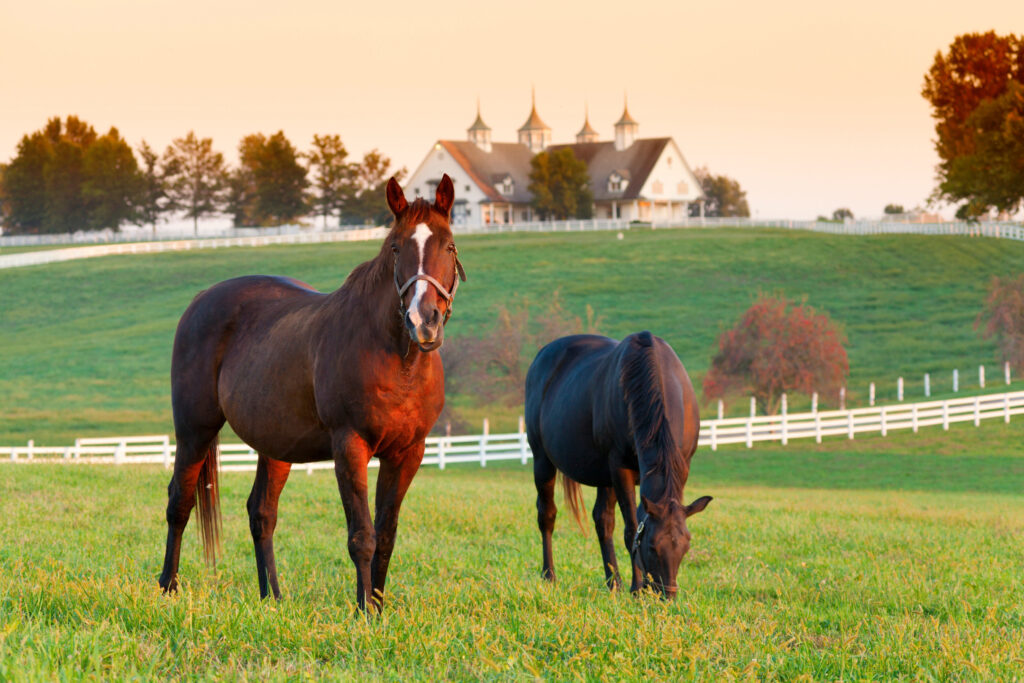
As a horse property Realtor, I specialize in helping people find (or create) horse-ready properties in Wake County, NC, and the surrounding areas. I’m not just here to sell land or a horse farm. I’m selling a lifestyle and an experience. And today, I want to walk you through some horse property layout ideas that actually work in our part of North Carolina.
How much land do you really need for horses?
You’ve probably heard the old rule of thumb: one to two acres per horse. That’s a decent starting point, but acreage alone doesn’t tell the whole story, especially here in Wake County and the surrounding areas.
What really matters is usable land and how it’s laid out. Between your home, barn, driveway, septic, arenas, trees, and drainage areas, the grazing space can shrink fast. Add our clay soil and wet seasons into the mix, and suddenly, smart pasture rotation and sacrifice lots matter just as much as total acreage.
I’ve seen beautifully managed 3–5 acre properties work well for one or two horses, and I’ve also seen 10+ acre farms struggle because the layout wasn’t horse-friendly. Size matters—but planning matters more.
If you want a deeper breakdown, I walk through it step by step in this post: How Much Property Do You Need for a Horse?
Start with the land, not the barn
One of the biggest mistakes I see buyers make is falling in love with a pretty barn before understanding the land itself. In Wake County and nearby rural Triangle communities, properties can look deceptively flat and open, but there’s a lot happening beneath the surface. We’re dealing with things like clay soil, variable weather (occasional hurricanes, freezing temps in the winter, etc.), and large open acreage with very few windbreaks.
Before we talk barns or arenas, I always look at:
- Natural drainage and slope
- Soil conditions for footing and fence posts
- How the wind moves across open acreage
- Where mud will show up (because it always does)
A smart layout works with the land, not against it. Sometimes shifting a barn or dry lot just 20 feet can save you years of frustration—and a lot of money.
Here are 5 things to look for in the land when buying a horse property.
Pasture flow matters more than you think
Good horse property layout ideas focus on how horses move. In this area, I often recommend:
- Multiple smaller pastures rather than one giant field
- Easy access from barn to turnout (especially in bad weather)
- Sacrifice lots to protect grass during wet seasons
- Cross-fencing that allows rotation and flexibility
I’ll say this with love: if your layout makes daily chores harder, you’re going to feel it fast. The best properties are those that feel intuitive; you move through them easily, and so do your horses.
Let’s talk fencing
Advice on fencing is hands-down one of the top questions I get asked, and it’s why I created a full video breaking it down.
For a typical 10-acre property in the Triangle area, fencing can range anywhere from $3,000 to $60,000, depending on materials. That’s not something you want to figure out later if it doesn’t already exist! But horse fencing is about more than budget. You also need to consider:
- Visibility (horses run first, think later)
- Safety (no sharp edges, no risk of leg entrapment)
- Durability in North Carolina weather
- Ongoing maintenance for the life of the property
Common fencing options in Wake County
- Wood board fencing: Beautiful? Yes. Southern farm charm? Absolutely. But it requires constant maintenance, staining, and repairs. I love it for front pastures and road frontage, paired with lower-maintenance options elsewhere.
- Vinyl fencing: Clean, polished, photographs beautifully. Higher upfront cost and can crack in our heat, but great for smaller acreage farms where aesthetics matter.
- Electric or high-tensile fencing: Affordable and flexible. It’s excellent for cross-fencing, but not ideal as a standalone perimeter fence.
- Pipe fencing: Extremely durable and safe, but pricey. Best suited for high-traffic or commercial-style areas.
My top safety-first recommendations, in order of preference:
- V-mesh with a top rail or electric
- Well-maintained wood board fencing
- Vinyl with reinforced rails
Think about resale, even if you’re not selling
Even if this is your forever farm, smart layout choices protect your investment. I always tell sellers that showing you value your horse’s lifestyle increases buyer confidence and property value.
Buyers respond emotionally to things like:
- Visible, well-maintained fencing
- Clean lines and logical pasture divisions
- Properties that feel horse-ready
Purchasing land in NC? Here’s what you should do before you buy.
Let’s make your horse life happen
No other agent in the Triangle combines equestrian knowledge with market expertise the way I do, and I’m here to help you find a horse property layout that works for you, your land, and your animals. For me, this is about more than real estate. This is your day-to-day life we’re talking about.
If you’re dreaming about buying, selling, or improving a horse property in Wake County or the surrounding areas, I’d love to be a resource for you—whether you’re ready now or just asking questions.
Reach out to me at Hooves & Homes Realty. Let’s talk about your horses, your goals, and how to create a property that truly supports the life you want to live.