
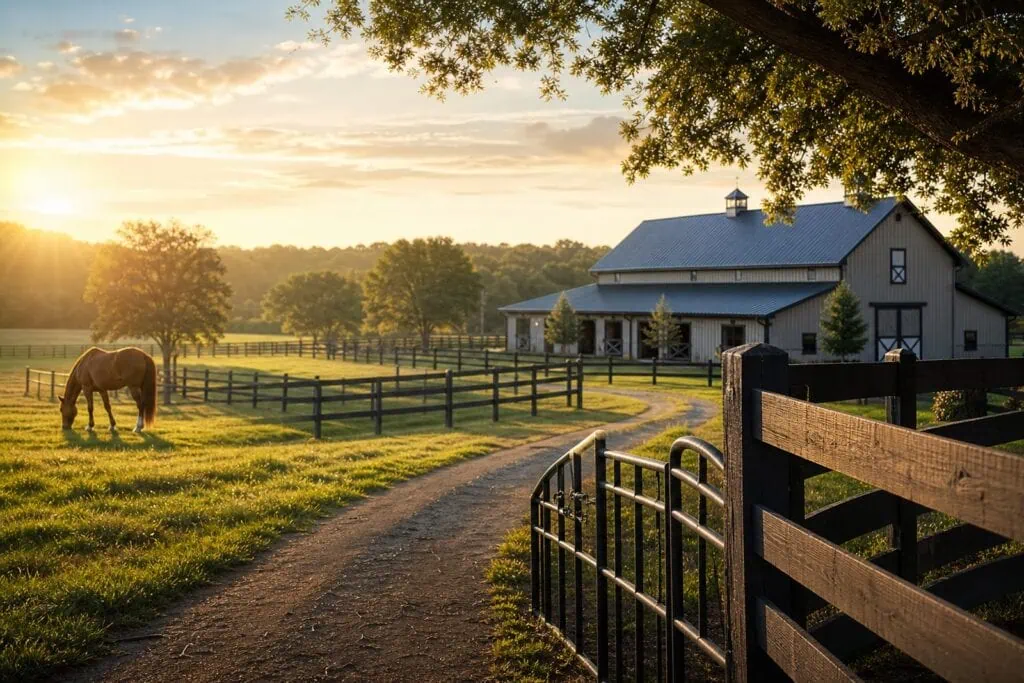
Why Living the Equestrian Lifestyle in the Triangle Region Requires More Than Just Finding Land
When buyers first start searching for horse properties in the Triangle area of North Carolina, they often focus immediately on acreage or whether there is a barn on site. It’s natural to think bigger is better or that simply having a barn meets all equestrian needs. However, a successful equestrian lifestyle here depends on much more. It revolves around how the land performs throughout the year, how the local equine community supports your goals, and whether the property’s features promote both your horses’ health and your daily convenience. The Triangle’s mix of urban centers like Raleigh and Cary alongside rural parts of Wake, Chatham, and beyond create a landscape full of opportunity and subtle challenges that inexperienced buyers can overlook. For example, a large property in a remote spot might seem ideal for privacy, but factoring in the distance to emergency large-animal vets or feed suppliers changes the picture when urgent care is needed. Understanding this interplay helps buyers avoid costly oversights and build confidence in their choice. Before comparing acreage alone, Denise’s guide to Horse Property Layout Ideas for Wake County Buyers can help you think through how daily routines shape the right farm setup.
What Experienced Buyers See Differently When Evaluating Triangle Horse Properties
A common misconception is that more land automatically means a better horse farm. While acreage matters, experienced buyers focus on how the land’s natural features work for horses. Is the topography suitable for healthy pastures? How does the soil drain after rain? In the Triangle, where clay soils and rolling terrain vary substantially, these details make a real difference. A 20-acre tract with heavy clay soil, for instance, could become muddy and unsuitable for turnout during wet months, leading to hoof issues and increased maintenance costs. Savvy buyers therefore ask, “How does this land behave in spring compared to autumn?” Properties with gentle slopes and native grasses adapted to the region tend to support healthier pastures, which reduces feed and veterinary expenses. For local market context, What to Look For in Horse Property Land gives readers another helpful look at how these choices show up across nearby North Carolina communities.
Location within the Triangle also matters more than many buyers initially realize. Proximity to essential services such as large-animal vets, farriers, certified trainers, and quality feed stores can transform daily routines from stressful to manageable. While solitude in remote areas is tempting, extra travel time for emergency or routine visits adds hidden challenges. Towns like Apex and Pittsboro offer a good balance of rural charm with access to expert equine care and community.
Why Barn Design and Property Layout Define Daily Success or Frustration
When touring properties, many buyers admire the charm of an old-style barn but do not fully assess its practicality. Experienced equestrian buyers prioritize barns with good ventilation, adequate stall sizes, wide aisles, and efficient workflow. Poor ventilation traps moisture and dust, raising respiratory risks. Small stalls or narrow aisles, though quaint, can make routine tasks difficult, turning daily chores into sources of frustration.
Fencing is another critical area where expertise improves decisions. Classic white board fencing is popular for aesthetics but requires frequent maintenance, and unnoticed gaps or broken boards can cause escapes or injuries. Buyers with equestrian knowledge often choose durable vinyl or pipe fencing, which withstands local weather and horses’ behaviors more reliably. Secure fencing minimizes repair needs and protects your investment.
A reliable water supply is often overlooked until it becomes problematic. Evaluating water access means more than confirming a well or municipal connection exists; consider whether multiple troughs are accessible in various pastures and if backup systems are in place should pumps fail. Consistent hydration is essential for horse health, and planning for redundancy shows thoughtful ownership.
How Proper Farm Management Shapes Long-Term Enjoyment and Value
Finding the right property is the beginning; how you manage it over time determines your and your horses’ ongoing satisfaction. Pasture management is key. Many buyers undervalue rotating grazing areas to prevent overgrazing and preserve soil health. In the Triangle’s climate, reseeding with native grasses suited to local seasons improves forage quality and reduces feeding costs.
Good drainage planning is essential but often overlooked until problems arise. Rainwater pooling in paddocks or arenas creates muddy, unsafe footing, contributing to hoof ailments. Installing French drains and elevating arena surfaces are worthwhile investments that enhance horse comfort and reduce maintenance.
Proactive barn and fencing maintenance also reflects owner foresight. These tasks are easy to postpone but critical to prevent accidents and costly fixes. Establishing a seasonal maintenance calendar, such as insulating pipes before winter freezes and inspecting fencing before storms, keeps the farm running smoothly and horses safe.
Why Engaging with the Local Equestrian Community Elevates the Lifestyle
The Triangle boasts an active equestrian community, but many new owners may not fully benefit from it if focused only on their property. Connecting with local riding clubs, breed organizations, and trainers can open doors to learning, sharing resources, and support.
Participation in horse shows, clinics, and trail rides not only develops skills but also builds relationships that help in challenging times. Knowing trusted trainers or boarders nearby ensures your horses receive care during busy periods or travel, easing stress.
Access to nearby trails and riding destinations is another lifestyle booster that thoughtful buyers seek. Proximity to public or private trail systems provides variety for your horse’s exercise and mental stimulation, improving overall wellbeing.
How Local Expertise is Key to Finding Your Ideal Equestrian Property in the Triangle
Navigating equestrian real estate here requires detailed local knowledge beyond what general agents often offer. Zoning and land use regulations may restrict boarding, breeding, or improvements, impacting your plans. Environmental factors like watershed protections or conservation easements may limit development but also help preserve property value and countryside character.
Choosing an advisor with deep ties to the Triangle equestrian community and proven experience guiding buyers through these complexities ensures you find not just any property but the right one for your lifestyle and your horses’ needs. This trusted guidance helps avoid surprises and supports long-term satisfaction. If acreage is one of your biggest questions, How Much Property Do You Need For A Horse? offers a helpful starting point for thinking beyond raw land size.
Living the equestrian lifestyle in North Carolina’s Triangle region involves more than acreage or a charming barn. It requires understanding the land, property features, management realities, and the local community that together create a fulfilling, sustainable life with horses. Focusing on these elements from the start positions you to make confident decisions that support your dreams and your horses’ health for years to come. When land quality is the deciding factor, Horse Properties For Sale in North Carolina adds useful context for evaluating how the property will function through different seasons.
FAQ Section
What defines the equestrian community in the Triangle region of NC?
The Triangle’s equestrian community combines a passion for horses with rural lifestyle elements. It includes access to trainers, riding clubs, and events, creating a supportive network focused on horse care and enjoyment.
How much land is typically needed for keeping horses in Wake and Chatham counties?
Generally, one to two acres per horse is recommended to provide sufficient pasture and turnout space. However, factors like land quality, fencing, and facilities significantly affect suitability. Assessing the whole property is essential beyond just acreage.
What are important property features to check for horse readiness?
Key features include secure fencing, well-drained pastures, reliable water sources, barns or shelters with good ventilation, and compliance with local zoning for equine use. These ensure horse health and safety.
How can I avoid costly mistakes when buying horse property in the Triangle?
Working with a local equestrian real estate specialist helps you navigate zoning, land evaluation, and community resources. Doing thorough inspections and verifying property details reduces surprises and ensures the property meets your needs.
Are there equestrian communities or clubs to join in the Triangle area?
Yes. The Triangle region has active equestrian organizations that host events and offer education. Joining these communities helps owners connect, learn, and engage in the local equestrian culture.
What should I expect from a horse property buyer consultation?
A consultation covers your lifestyle goals, budget, and horse needs. You receive customized guidance on property searches, market trends, and evaluating horse-ready land, ensuring you make informed decisions.