
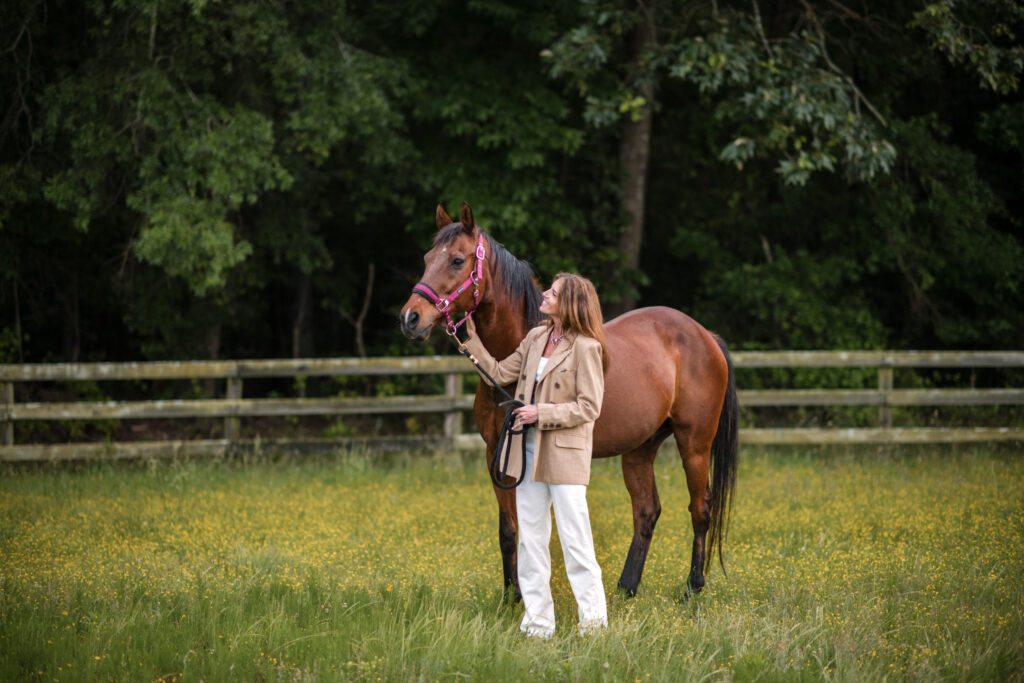
Denise here, your go-to horse-property matchmaker here in Wake County and the surrounding Triangle area. I help people find properties where horses are part of the family. But before you pack the hay and paint the barn red, there’s a key question you have to answer: Is this property actually zoned for horses? You don’t want to fall in love with a property and get a loan to buy it only to find out you can’t keep your four-legged friends there.
What are the different types of zoning?
When you’re searching for a horse-friendly property in Wake County, it helps to know the different types of zoning you might encounter. Zoning determines what you can and cannot do on a property, so understanding it is key to planning your barn, paddocks, or riding arenas.
Zoning is also broken into specific categories, often labeled something like R-20, R-30, AR, or AG. The letters describe the type of area (Residential, Rural, Agricultural), while the numbers usually refer to minimum lot size. Two properties can look identical but fall under different zoning categories, with very different rules for keeping horses.
Here’s a breakdown of the main categories you’ll see around the Triangle:
- Residential zoning: These areas are primarily for housing, including single-family homes, townhomes, and condos. Some residential categories allow horses on larger lots, while others prohibit livestock entirely, so the exact zoning designation matters.
- Commercial zoning: Intended for businesses like retail, offices, and restaurants. Not ideal for private horse properties, though some parcels may allow equestrian facilities with special permits. These areas often come with more traffic and noise.
- Industrial zoning: Reserved for manufacturing and warehousing. Definitely not the setting for a peaceful barn and pasture life.
- Agricultural zoning: The most horse-friendly category. These zones are designed for farming and livestock and generally allow barns, pastures, and arenas with fewer restrictions.
- Mixed-use zoning: Combines residential, commercial, and sometimes light industrial uses. While great for walkable communities, mixed-use areas are usually not a good fit for horses due to density, traffic, and noise.
You may also be interested in: 5 things to look for in the land when buying a horse property
Here’s how to find out if a property is zoned for horses
Step 1: Check the county zoning map
In Wake County, NC, zoning information is public and fairly easy to access. Wake County has an online GIS (Geographic Information System) portal where you can search for a property by address and see its zoning designation.
You can also download printable zoning maps here.
Pro tip: Just because a property is large doesn’t mean it’s automatically okay for horses. Zoning regulations can limit the number of animals, dictate setback rules for barns, or even restrict commercial equestrian activities.
Step 2: Give the County Planning Department a call
Sometimes zoning maps aren’t enough. A quick call to the Wake County Planning Department can clarify details about your intended use, especially if you want multiple horses, run a boarding operation, or plan to build extra facilities. They’ll tell you exactly what’s allowed and what requires a permit.
Step 3:Don’t forget HOAs & restrictive covenants
Even if the county allows horses, neighborhood rules might not. Always check HOA bylaws and deed restrictions—some prohibit livestock altogether, even on acreage. I’ve seen beautiful horse-perfect properties undone by one line in the fine print. Check early to save yourself the heartbreak.
You may also be interested in: How much property do you really need for a horse? Let’s talk hooves, homes, and happy acres
My approach
I make sure we know the zoning details before you even step foot on a property. I know the ins and outs of Wake County zoning and can quickly determine whether a property is suitable for horses or requires a conditional use permit. You won’t fall in love with a place only to find out it won’t allow your dream barn or paddocks, because I do the homework first.
I provide honest, transparent guidance, educate you on every step, and turn potential setbacks into creative solutions. I may not know every answer off the top of my head, but I will find it for you. Because buying a horse property is about lifestyle, freedom, and joy. And I love helping people make that dream real.